Korean Bibimbap
Highlighted under: Traditional Food
Korean Bibimbap is a vibrant and flavorful dish that combines rice with an array of colorful vegetables, a fried egg, and spicy gochujang sauce.
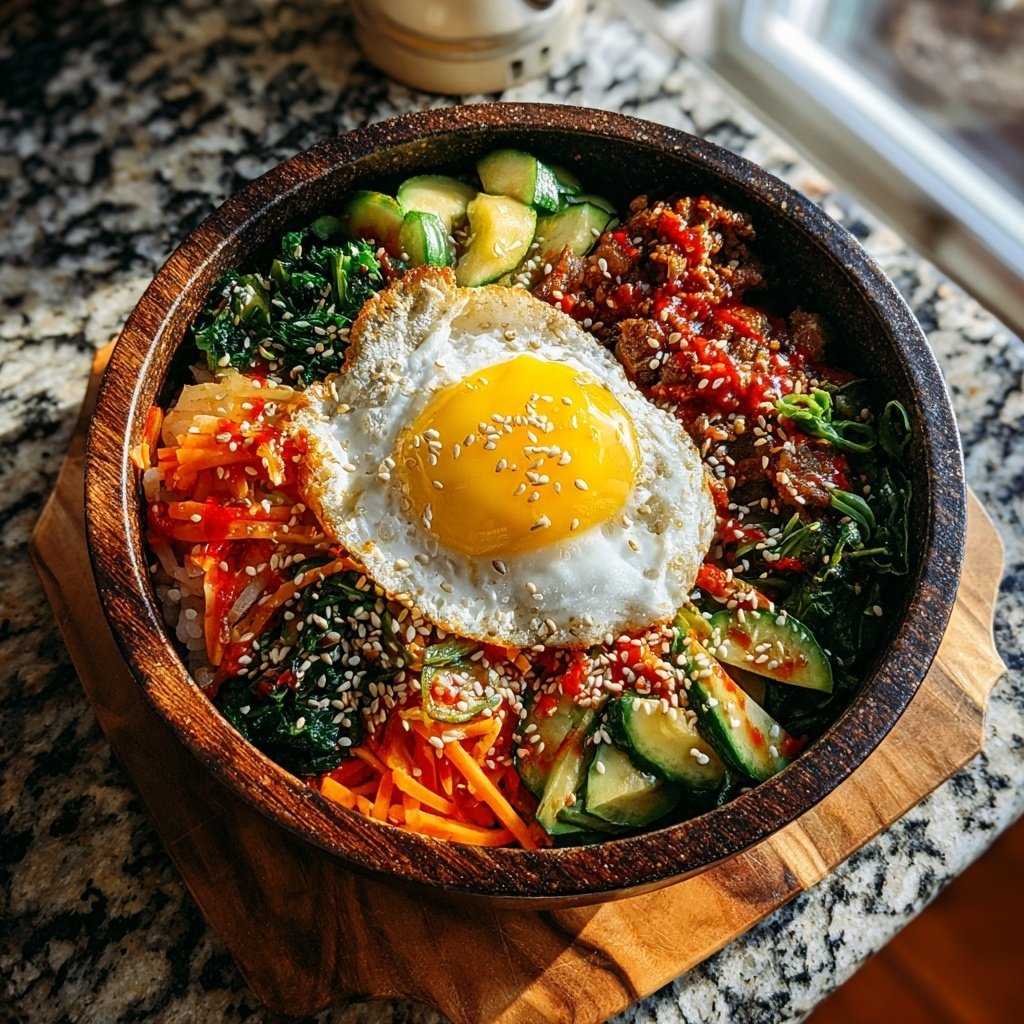
Korean Bibimbap is not just a meal; it's a feast for the eyes and the palate. Originating from Korea, this dish is a harmonious blend of flavors and textures, making it a beloved choice among food enthusiasts.
Why You Will Love This Recipe
- A perfect balance of textures and flavors in every bite
- Customizable with your favorite vegetables and proteins
- A delightful way to enjoy a nutritious meal
The Heart of Bibimbap: A Rice Bowl Like No Other
Bibimbap is not just a meal; it’s a celebration of flavors and textures. Originating from Korea, this rice bowl is known for its vibrant colors and delightful ingredients. The harmony of cooked vegetables, perfectly fried eggs, and spicy gochujang gives each bite a unique taste. Whether you’re a seasoned chef or a novice in the kitchen, bibimbap presents an accessible yet gourmet option for any dining occasion.
The base of bibimbap is simple yet versatile—steamed rice. This staple ingredient acts as a blank canvas, allowing the colorful toppings to shine. You can customize your bibimbap with seasonal vegetables or even your choice of protein, making it a great dish for using up leftovers. The beauty of bibimbap lies in the personal touch you can add to it.
A Nutritional Powerhouse
One of the standout features of bibimbap is its health benefits. Packed with a variety of vegetables, this dish provides essential vitamins and minerals. Spinach, carrots, zucchini, and bean sprouts contribute to a balanced diet, offering antioxidants and fiber. The inclusion of eggs adds protein, making it a wholesome option for any meal.
Furthermore, the use of gochujang, a fermented chili paste, not only adds a spicy kick but also contains probiotics. These beneficial bacteria can aid in digestion and enhance gut health. When you enjoy bibimbap, you’re not just indulging in a delicious dish; you’re also nourishing your body with every bite.
Perfecting Your Bibimbap Experience
To elevate your bibimbap experience, consider the presentation. Serve it in a vibrant bowl that showcases the colorful ingredients. The visual appeal enhances the dining experience, making it more enjoyable. You can also add garnishes like sesame seeds or sliced green onions for an extra pop of flavor and texture.
Don’t hesitate to experiment with flavors! While the traditional bibimbap recipe is delightful, feel free to try different proteins such as beef, chicken, or tofu. You can also explore various sauces or spices to suit your palate. The versatility of bibimbap means you can enjoy it in countless ways, ensuring that it remains a favorite in your culinary repertoire.
Ingredients
For the Bibimbap
- 2 cups cooked rice
- 1 cup spinach, blanched
- 1 cup carrots, julienned
- 1 cup zucchini, julienned
- 1 cup bean sprouts, blanched
- 4 eggs
- 1 cup shiitake mushrooms, sliced
- Sesame oil
- Salt
- Gochujang (Korean chili paste)
Feel free to add your choice of protein like beef, chicken, or tofu for a heartier meal.
Instructions
Prepare the Vegetables
In a skillet, heat a bit of sesame oil and sauté each vegetable separately, seasoning with salt, until tender. Set aside.
Cook the Eggs
In the same skillet, fry the eggs sunny-side up until the whites are set but the yolks are still runny.
Assemble the Bibimbap
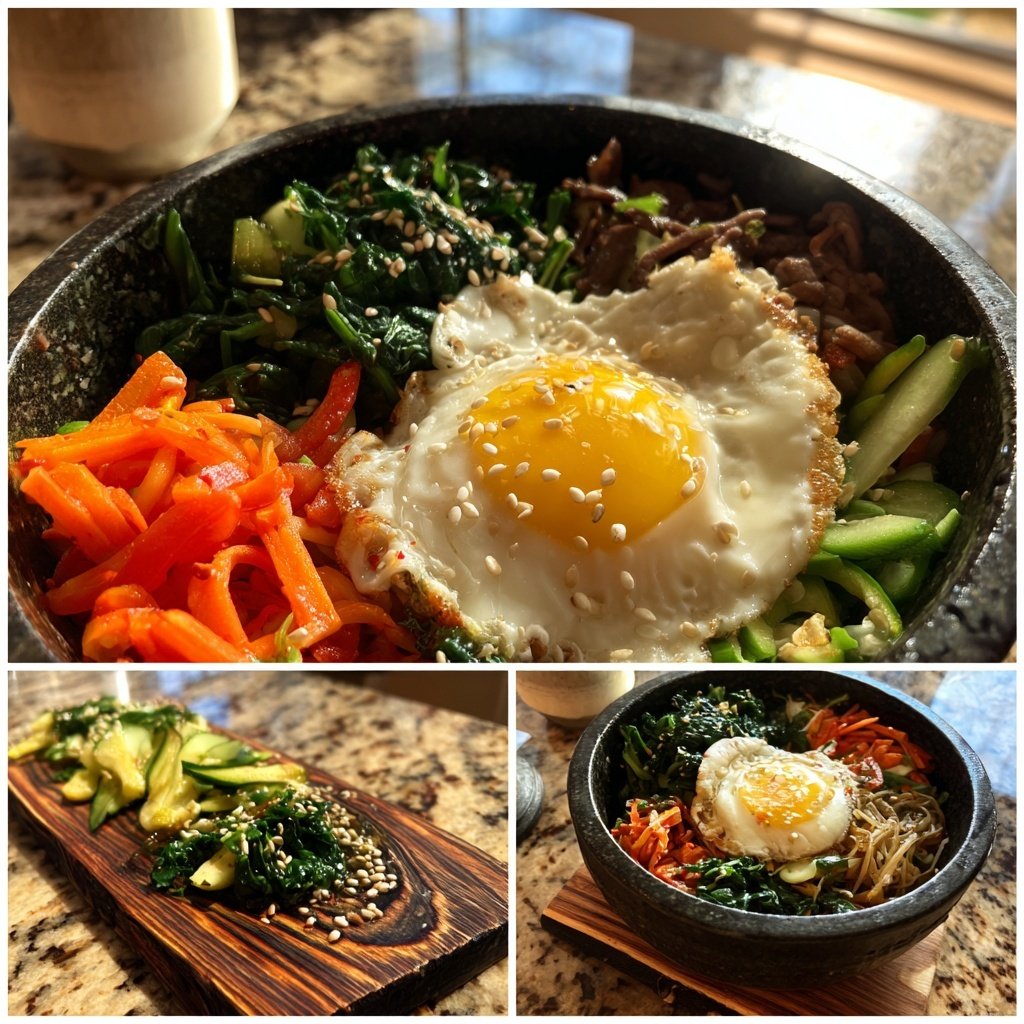
In a large bowl, place a portion of rice at the bottom. Arrange the sautéed vegetables on top of the rice. Add the fried egg in the center and a generous dollop of gochujang.
Serve
Mix everything together before eating for a delicious blend of flavors!
Enjoy your homemade Korean Bibimbap with additional gochujang on the side if you prefer more spice.
Pro Tips
- For a vegetarian version, skip the egg or use tofu as a protein substitute.
Storage and Reheating Tips
If you have leftovers, bibimbap stores well in the refrigerator. Keep the ingredients separate to maintain their textures. The rice can be stored in an airtight container for up to three days, while the sautéed vegetables and fried eggs should be consumed within two days for optimal freshness.
When you're ready to enjoy your leftovers, reheat the rice in a microwave with a splash of water to keep it moist. Sauté the vegetables briefly to revive their flavors and warmth. For the fried egg, a quick reheat in a skillet will do the trick, ensuring it remains delicious without overcooking.
Exploring Variations of Bibimbap
While the classic bibimbap is a favorite, you can explore various regional variations. For instance, Jeonju bibimbap is known for its generous use of beef and a rich array of toppings, while Dolsot bibimbap is served in a sizzling stone bowl, giving the rice a crispy texture. Each version offers a unique twist on this beloved dish.
Additionally, you can adapt the bibimbap to your dietary preferences. Vegan bibimbap can be easily achieved by omitting the egg and using plant-based proteins like tofu or tempeh. Gluten-free options can also be prepared by ensuring that gochujang and other sauces are gluten-free, making this dish accessible to everyone.
Questions About Recipes
→ Can I make Bibimbap in advance?
Yes, you can prepare the vegetables and rice ahead of time. Just assemble and serve fresh when ready to eat.
→ What can I substitute for gochujang?
You can use Sriracha or a mix of red pepper flakes with soy sauce for a similar flavor.
→ Is Bibimbap gluten-free?
Yes, as long as you ensure that the gochujang and other sauces are gluten-free.
→ Can I add meat to this recipe?
Absolutely! Traditional Bibimbap often includes marinated beef or other proteins.
Korean Bibimbap
Created by: Nadia Rowley
Recipe Type: Traditional Food
Skill Level: Intermediate
Final Quantity: 4 servings
What You'll Need
For the Bibimbap
- 2 cups cooked rice
- 1 cup spinach, blanched
- 1 cup carrots, julienned
- 1 cup zucchini, julienned
- 1 cup bean sprouts, blanched
- 4 eggs
- 1 cup shiitake mushrooms, sliced
- Sesame oil
- Salt
- Gochujang (Korean chili paste)
How-To Steps
In a skillet, heat a bit of sesame oil and sauté each vegetable separately, seasoning with salt, until tender. Set aside.
In the same skillet, fry the eggs sunny-side up until the whites are set but the yolks are still runny.
In a large bowl, place a portion of rice at the bottom. Arrange the sautéed vegetables on top of the rice. Add the fried egg in the center and a generous dollop of gochujang.
Mix everything together before eating for a delicious blend of flavors!
Extra Tips
- For a vegetarian version, skip the egg or use tofu as a protein substitute.
Nutritional Breakdown (Per Serving)
- Calories: 500 kcal
- Total Fat: 20g
- Saturated Fat: 5g
- Cholesterol: 210mg
- Sodium: 600mg
- Total Carbohydrates: 65g
- Dietary Fiber: 5g
- Sugars: 4g
- Protein: 18g